
Markham’s Scarpitti and Ontario big city mayors push province for emergency action on mental health crisis
By Gene Pereira, Local Journalism Initiative reporter
Across Ontario, municipal leaders are reaching the end of their rope.
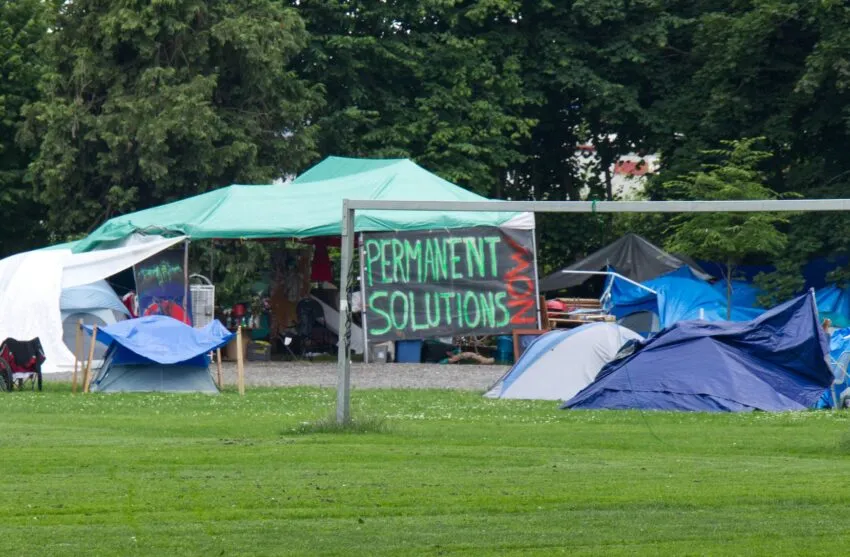
Parks, public sidewalks, and city spaces are increasingly becoming the focal point of an escalating triple crisis: unhoused individuals struggling to find shelter, public spaces strained by open drug use, and community mental health services stretched far past their breaking points.
In response, Markham Mayor Frank Scarpitti has joined municipal leaders from Ontario’s Big City Mayors (OBCM) to issue an urgent plea to Queen’s Park. Launching the next phase of their “Solve the Crisis” campaign — titled “Reaction to Recovery” — the coalition of mayors is calling on the provincial government to step up with immediate leadership, dedicated funding, and sweeping legislative changes.
Municipal leaders stress that while local governments have consistently stepped into fill the gap — partnering with grassroots organizations, expanding shelter beds, and investing municipal funds into localized support systems — they have hit a financial ceiling.
“Municipalities have reached the limit of what we can do,” read the statement from the 29 mayors who make up the OBCM. “We will always be part of the solution, but the property tax base cannot continue to carry the growing costs of healthcare, housing, and social supports.”
Mayors like Burlington’s Marianne Meed Ward, Chair of OBCM, emphasize that local property taxes were never meant to fund healthcare infrastructure.
“The homelessness, mental health, and addictions crisis is getting worse in communities across the province, and the status quo is not an option,” Meed Ward said. “We are willing to do our part, but other levels of government have to step up and take action… We just need the political will and appropriate resources.”
To move Ontario beyond reactive measures, Scarpitti and his colleagues are putting forward a targeted recovery strategy. Key pillars of their demands include:
- Declaring a State of Emergency: Officially recognizing the homelessness, mental health, and addiction dual crises as a provincial emergency.
- A Dedicated Ministry: Creating a single, specialized ministry backed by dedicated funding to eliminate bureaucratic silos across healthcare and housing sectors.
- Expanding Correctional Treatment: Introducing dedicated addiction treatment and rehabilitation programming directly within provincial and federal correctional facilities.
- Legislative Overhaul: Reviewing the Mental Health Act and the Health Care Consent Act to explore “compassionate intervention” or involuntary treatment models for individuals suffering from severe, untreated addiction.
Barrie Mayor Alex Nuttall, Vice-Chair of OBCM, framed the demands as a balance of empathy and community safety.
“Our responsibility is clear: ensure help is available for those ready to accept it and restore safety in our public spaces,” Nuttall said. “Compassion and accountability must go hand in hand.”
While the mayors’ call for resources has widespread support, their proposal to review legislation for involuntary care has received immediate pushback from public health officials, civil liberties advocates, and mental health organizations—including the Centre for Addiction and Mental Health (CAMH).
Critics argue that introducing compulsory or forced treatment models is a dangerous misstep, particularly when voluntary care is already drastically underfunded. Experts contend that coercing individuals into treatment without first building a robust foundation of voluntary recovery beds, supportive housing, and community-based care can exacerbate trauma, increase overdose risks upon release, and infringe upon basic human rights.
The province has pointed to ongoing initiatives, such as investments in youth spaces, supportive housing, and the creation of Homelessness and Addiction Recovery Treatment (HART) Hubs, as evidence of progress. However, Scarpitti and municipal leaders contend these measures, while welcome, are drops in an ocean compared to the scale of the emergency.
As mayors head into negotiations with provincial ministers, they are urging Ontarians to join the campaign by visiting www.solvethecrisis.ca. By contacting local MPPs and provincial representatives, leaders hope public support will force the provincial government to take decisive action before local safety nets collapse entirely.