
ED doctor offers summer safety tips
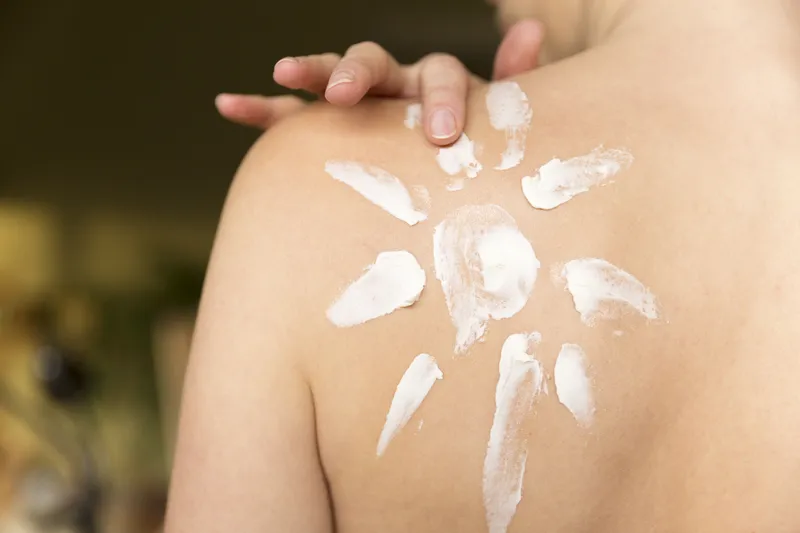
Using sunscreen and staying hydrated are among the best ways to protect yourself this summer, an emergency department physician at Markham Stouffville Hospital advises.
While sunny days are a summer highlight, too much sun can spoil the fun, Dr. Sachin Ramkissoon warns. Whether you’re at a game, beach or outdoor gathering, make skin protection part of your plan, he notes.
For children over six months, apply SPF 30+ sunscreen before going outside and reapply often, especially after sweating or swimming. Hats, sunglasses and shade breaks can also help prevent sunburn and keep summer enjoyable. Because sunscreen isn’t recommended for infants under six months, Ramkissoon recommends using other forms of sun protection.
“There is no sunscreen approved for infants under six months, so it’s important to stay in the shade, dress them in lightweight long-sleeved clothing, wide-brimmed hats and sunglasses. Use covered strollers, umbrellas or portable shade shelters,” he says.
If you’re using bug spray in combination with sunscreen, make sure to apply sunscreen first, followed by bug spray, Ramkissoon adds.
Staying hydrated is one of the best ways to protect yourself from dehydration and heat-related illness, especially during hot weather or periods of physical activity. Keep a water bottle nearby and take regular water breaks throughout the day. “Children are often not mindful of their water intake and are not able to recognize the signs of dehydration,” says Ramkissoon. “It’s important for parents and coaches to encourage frequent water breaks, especially during vigorous activity like sports.”
Though drinking plenty of water and taking breaks are simple ways to stay safe during hot summer days, heat-related illnesses can happen quickly, especially during outdoor events, sports or long days in the sun. “Try to schedule outdoor activities during cooler parts of the day, such as early morning or evening and take frequent rest breaks in shade or air-conditioned areas,” Ramkissoon says.
If you start feeling dizzy, weak, nauseous or unusually tired or develop a headache, it may be a sign that your body is struggling to cool itself, he advises. Recognizing those symptoms early and taking steps to cool down can help prevent heat exhaustion from progressing to heat stroke, he advises.
From festivals and concerts to family reunions and community celebrations, summer often brings people together in large groups. Ramkissoon reminds you to wash your hands regularly with soap and water or use hand sanitizer when you’re on the go.