
Markham approves two-year invasive species stewardship pilot at Swan Lake Park
By Gene Pereira, Local Journalism Initiative reporter
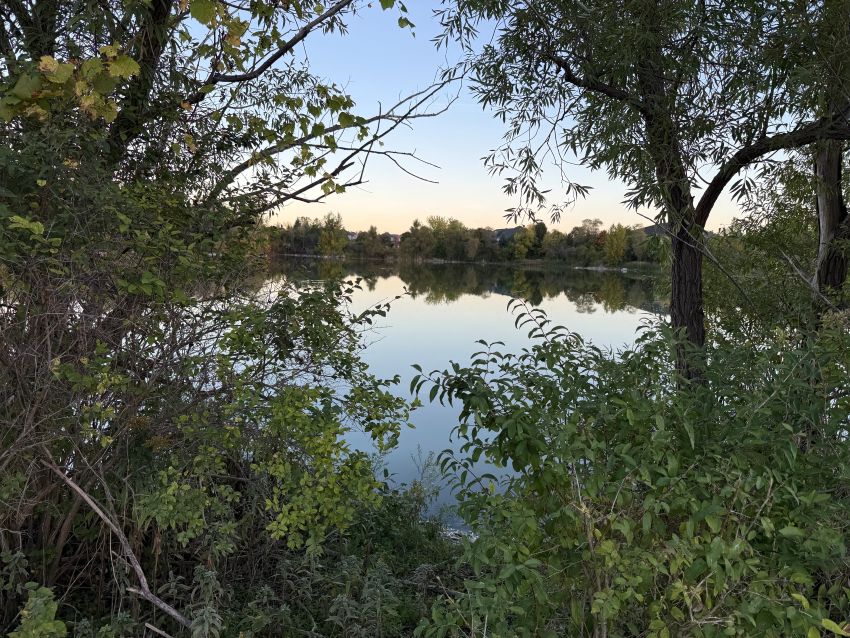
Swan Lake Park is set to receive a major ecological boost after Markham City Council unanimously approved a scoped, two-year invasive species stewardship pilot project.
The initiative, formally approved as part of a September 8 staff status update, establishes a collaborative framework between the City of Markham and the Friends of Swan Lake Park (FOSLP) to combat aggressive non-native plants that threaten the park’s local ecosystem.
The approval follows months of back-and-forth after city staff initially recommended against the group’s proposal for unsupervised plant removal in June, citing a lack of internal staffing resources and funding to properly oversee the work.
During a council meeting earlier this year, Markham Mayor Frank Scarpitti pointed to potential risks and effectiveness questions around where volunteers should work.
“There’s areas, I would say, that volunteers probably shouldn’t be in,” said Scarpitti. “But then, I think there’s areas that they could be in. Again, I don’t know whether going into those areas in the end doesn’t do anything, and I say this because the other areas are still overburdened with the invasive species.”After General Committee asked staff to look into modifying the scope and bringing in an external partner, the city revised the plan to include strict parameters and outside technical support.
To finance the pilot, Council approved a new in-year 2026 capital project totalling $45,000, funded directly from the city’s Facility Ramp Up Reserve. The funds will be used to retain the Toronto and Region Conservation Authority (TRCA) to provide subject matter expertise, ecosystem monitoring, and specialized volunteer training over the two-year period.
Under the revised framework, volunteer efforts will be restricted to pre-assessed, mapped areas of the park and will strictly target four specific invasive species: Dog-Strangling Vine, Common Buckthorn, Honeysuckle, and Garlic Mustard.
Participants will only be permitted to use simple hand tools — such as shovels, loppers, and weed wrenches — with power tools, herbicides, and any removal along shorelines or in-water strictly prohibited.
The TRCA will host up to two supervised training and stewardship events per year at the beginning of the spring and fall removal periods. These sessions will cover plant identification, proper removal techniques, and safety protocols regarding steep terrain, water hazards, noxious weeds, and trail users.
FOSLP will also be required to designate committed lead volunteers to oversee unsupervised removal sessions, while city staff will conduct periodic site visits to monitor progress and assist with plant disposal.
Speaking in June against the staff recommendation to turn the idea down, newly retired Councillor Reid McAlpine argued at the earlier council meeting for finding a way to work with willing residents.
“When people are offering free labour, you don’t look a gift horse in the mouth,” he said. “Some people are offering you help to do something that you know needs doing, and it’s free, you find a way to accommodate it.”
Former Councillor Alan Ho similarly urged Council to endorse the pilot.
“I believe that with our experts expressing advice, warning, and also training, this program should be implemented and endorsed by us, by the council, and by staff,” he said. “Another thing is, it doesn’t cost the city in anything, but it helps the situation to address the evasive clients.”
Before work begins, the Commissioner of Community Services and the City Solicitor must finalize a formal stewardship agreement with FOSLP outlining liability protections and insurance requirements, either through the group’s existing policy or the city’s insurance provider.”
Once the two-year pilot concludes, city staff and the TRCA will evaluate key metrics, including the volume of invasive species removed, total area managed, and volunteer participation, and report back to Council on whether the program should be continued, expanded, or adapted for other local green spaces.