
Connections are key for supporting mental health
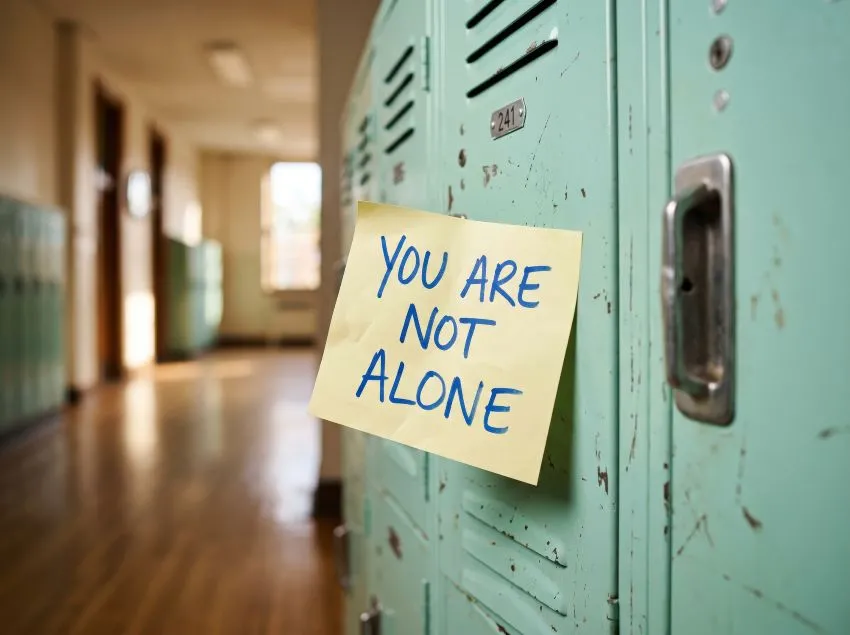
Sept. 10 is World Suicide Prevention Day. Suicide is preventable, especially when everyone – government, workplaces, helpers, and individual community members – is involved.
Mental illness plays a role in suicide, but not everyone who dies by suicide has a diagnosed mental illness, and not everyone who has a mental illness is mentally unwell. Building healthy communities, which focuses efforts on everyone, instead of solely on people with mental illness, can go far in preventing suicide.
Building, resourcing, and implementing a suicide prevention strategy, one that takes into consideration not only mental illness and addiction, but also all the factors that can contribute to suicide, is key. Fostering mentally healthy communities where people are less likely to consider suicide in the first place. This can be done by mitigating the upstream causes of suicide including reducing poverty, debt, addiction, homelessness, trauma and social isolation.
There is an individual angle, too. As individuals, we need to identify what brings us hope. Where do we find a sense of belonging? What is meaningful to us, and what gives us purpose? Relationships are one key element.
As former US Surgeon General Dr. Vivek Murthy says, “Our relationships are our anchors. And without these anchors, it is hard to find our way through all the ups and downs of life.”
The Public Health Agency of Canada has highlighted some important information, including that the highest suicide rates are generally observed among men aged 45 to 64 years and women aged 20 to 24.
We can all contribute to suicide prevention by being aware of those around us, checking in and maintaining our relationships, and reaching out to have an honest, non-judgmental conversation when we’re worried about someone. Suicide prevention is everyone’s business.